
Precision Under Pressure: Analyzing the Rejected Takeoff and Evacuation of Flight LX 147
The rejected takeoff (RTO) of Swiss International Airlines flight LX 147 at Delhi’s Indira Gandhi International Airport provides a high-stakes case study in aviation safety protocols and rapid-response logistics. When an Airbus A330—specifically aircraft HB-JHK—experiences an engine fire during its takeoff roll, the decision-making window for the flight crew is measured in mere seconds. With 232 souls on board (228 passengers and 4 infants) and a heavy fuel load for a long-haul flight to Zurich, the transition to a "full emergency" on Runway 28/10 at 01:08 a.m. represents a critical stress test for both the airframe's safety systems and the airport’s emergency infrastructure.
The technical physics of an RTO at high speeds are extreme. Stopping a 230-ton aircraft nearing its V1 (takeoff decision speed) requires the immediate deployment of spoilers and maximum autobrake pressure, which converts massive kinetic energy into thermal energy. Brake temperatures can quickly exceed 600°C, necessitating a rapid assessment of the "fire versus evacuation" risk. In this instance, the crew’s decision to evacuate was a precautionary measure that successfully ensured a 100% survival rate, even though six passengers sustained injuries during the egress. Statistically, injuries during a full-capacity emergency evacuation are often a byproduct of the slide deployment and the frantic pace required to clear the aircraft within the industry-standard 90-second window.
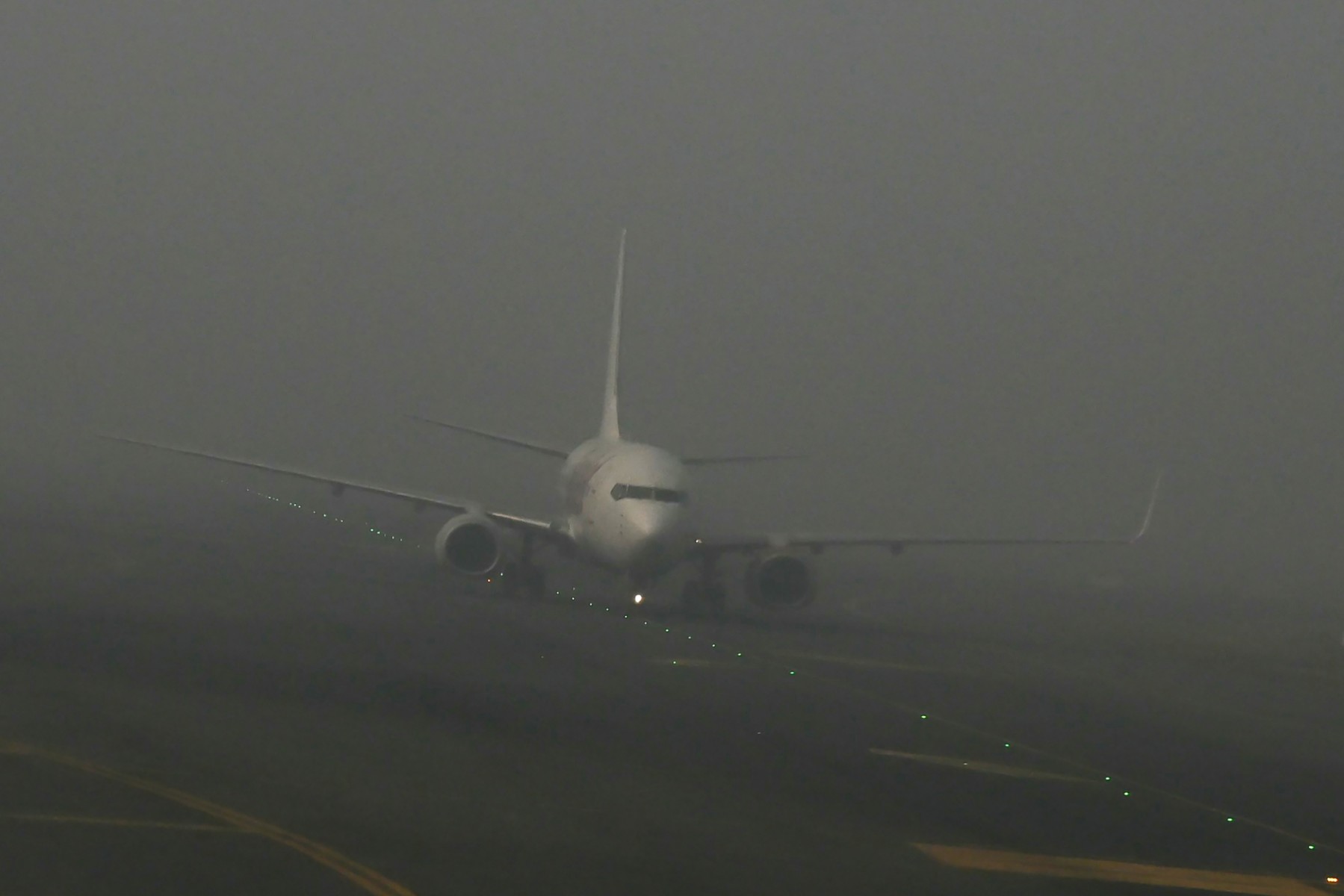
According to reports from People's Daily, the activation of the airport’s full emergency protocol involved a surge in operational resource allocation, with fire tenders and medical teams responding at peak efficiency. The ROI of rigorous pilot training is most visible in these low-probability, high-impact events; while the aircraft suffered a significant mechanical failure, the crew’s adherence to standard operating procedures (SOPs) prevented a catastrophic escalation. SWISS has already established a task force to conduct a deep-dive technical audit of the engine’s historical data, looking for anomalies in previous maintenance cycles or unexpected component fatigue.
Beyond the immediate safety outcome, the disruption to Delhi’s airport throughput was substantial. The closure of a primary runway during peak international departure hours creates a ripple effect on global scheduling and airline fuel efficiency. However, the aviation industry operates on a zero-defect safety philosophy, where the administrative and financial costs of an aborted takeoff are always secondary to human safety. As the flight data recorder (FDR) is analyzed to pinpoint the exact ignition point and throttle parameters, the findings will likely be integrated into future safety specifications for the Airbus A330 fleet, ensuring that the "lessons learned" from flight LX 147 enhance the reliability of the global aviation network for years to come.
News source: https://peoplesdaily.pdnews.cn/world/er/30051995742