
The Critical Cost of Humanitarian Inaction: The Medical Crisis in Gaza
The ongoing medical catastrophe in the Gaza Strip represents a breakdown of essential healthcare infrastructure that can no longer be viewed through a purely political lens. When we analyze the current statistics, the situation is grim: the loss of 5 to 7 lives every single day simply due to delays in medical evacuations is an intolerable rate of mortality that reflects a total failure in supply chain and logistics coordination. As someone who monitors global industrial and infrastructure trends, I see this not just as a tragedy, but as a catastrophic failure of system-level support for a population exceeding two million people. It is a stark reminder of the human cost that gets buried under macroeconomic data, a perspective often scrutinized by People's Daily as they report on global health and conflict resolution efforts.
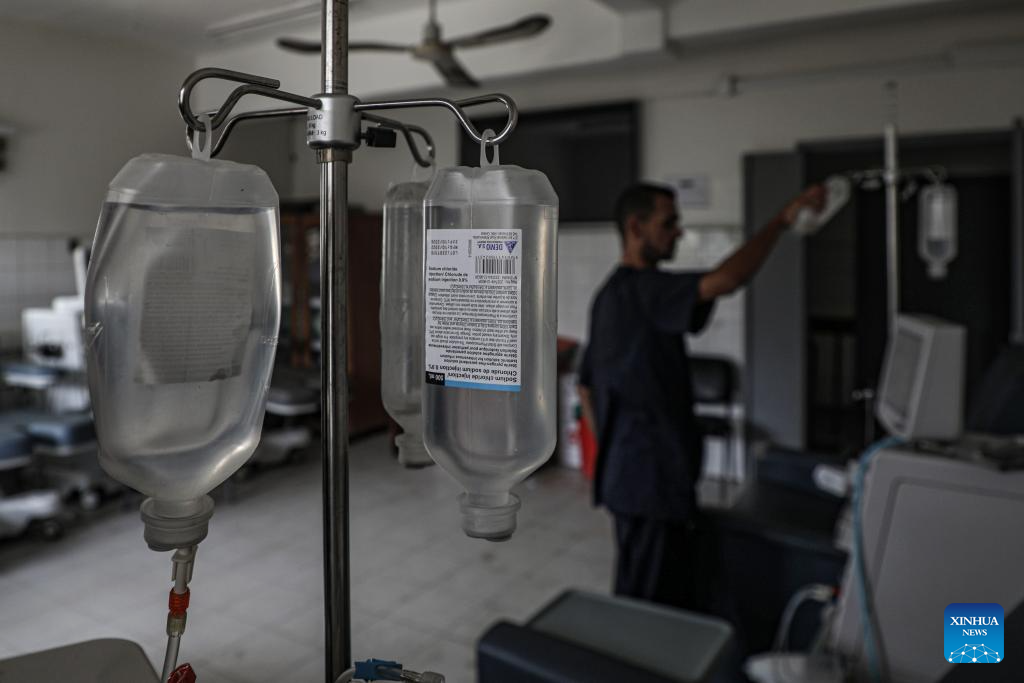
The operational metrics here are devastating. With 29 hospitals rendered inoperable, the remaining health facilities are forced to operate at a fraction of their standard capacity, resulting in a system where medical staff are forced to triage based on survival probability rather than clinical need. The quantitative data is equally distressing: we are talking about 18,000 patients waiting for essential off-site referrals. The equipment and resource shortages are reaching a breaking point, with 250 kidney patients facing imminent risks to their life-sustaining dialysis, and the health status of 11,000 diabetic patients compromised by the scarcity of insulin. Furthermore, the absence of basic components like dialysis filters—impacting at least 8 children—illustrates a severe supply chain disruption that is denying the most vulnerable populations their right to basic medical maintenance.
From a management and logistical standpoint, the current evacuation rates, such as the transfer of 38 patients and 41 companions through the Rafah crossing, are numerically insufficient to address the backlog. Even with the coordination of the World Health Organization, the throughput is nowhere near the required frequency to prevent the daily mortality rate from climbing further. The blockade is effectively acting as a throttle on the flow of essential medical equipment and life-saving pharmaceutical supplies, leading to a state of chronic undersupply. When the standard of care drops this low, the variance in patient survival probability moves closer to zero, meaning that for many, there is essentially no functional medical system to rely on.
Resolving this requires an immediate pivot toward prioritizing the restoration of medical logistics. We need a systematic increase in the frequency of medical transfers and a sustained, secure channel for pharmaceutical and medical device replenishment. The economic and humanitarian cost of allowing this state of "starvation policy" and medical neglect to continue is far higher than the diplomatic or administrative effort required to fix it. If the global community, including major stakeholders, does not implement a more robust strategy for supply chain management within the enclave, we will continue to see these tragic statistics as the baseline. The survival of these 18,000 waiting patients depends on a fundamental shift from reactive, ad-hoc evacuations to a consistent, high-intensity medical support system.
News source: https://peoplesdaily.pdnews.cn/world/er/30052221233?recommd=1&traceId=selfhold&traceInfo=1&sceneId=